Gallery
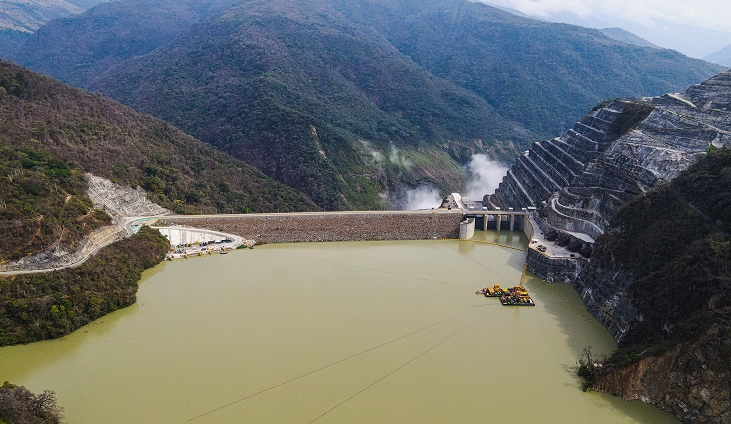
Images that show the greatness of Hidroituango: its mountains, its engineering and the majesty of the Cauca River. Each photograph reveals a unique moment of the project, from its imposing structures to the landscapes that surround it, reflecting the union between energy, nature and human work.
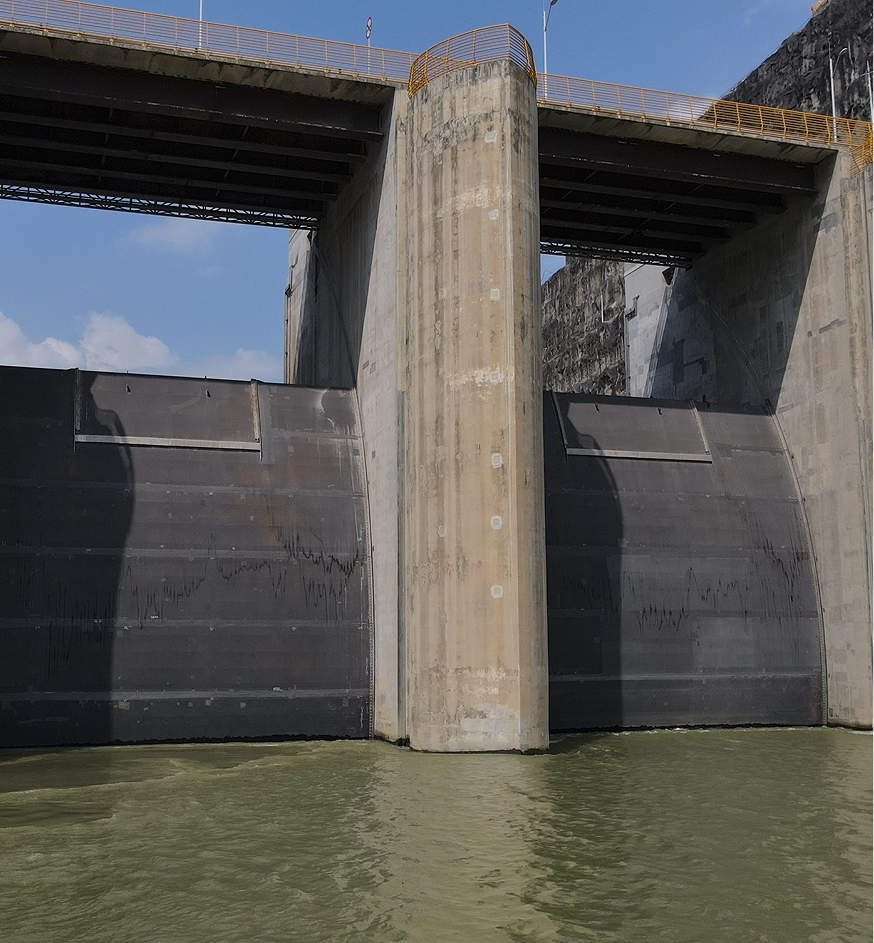
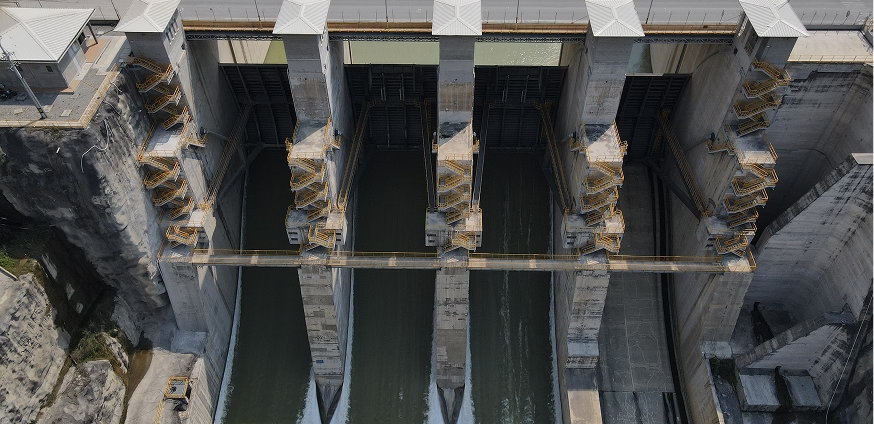
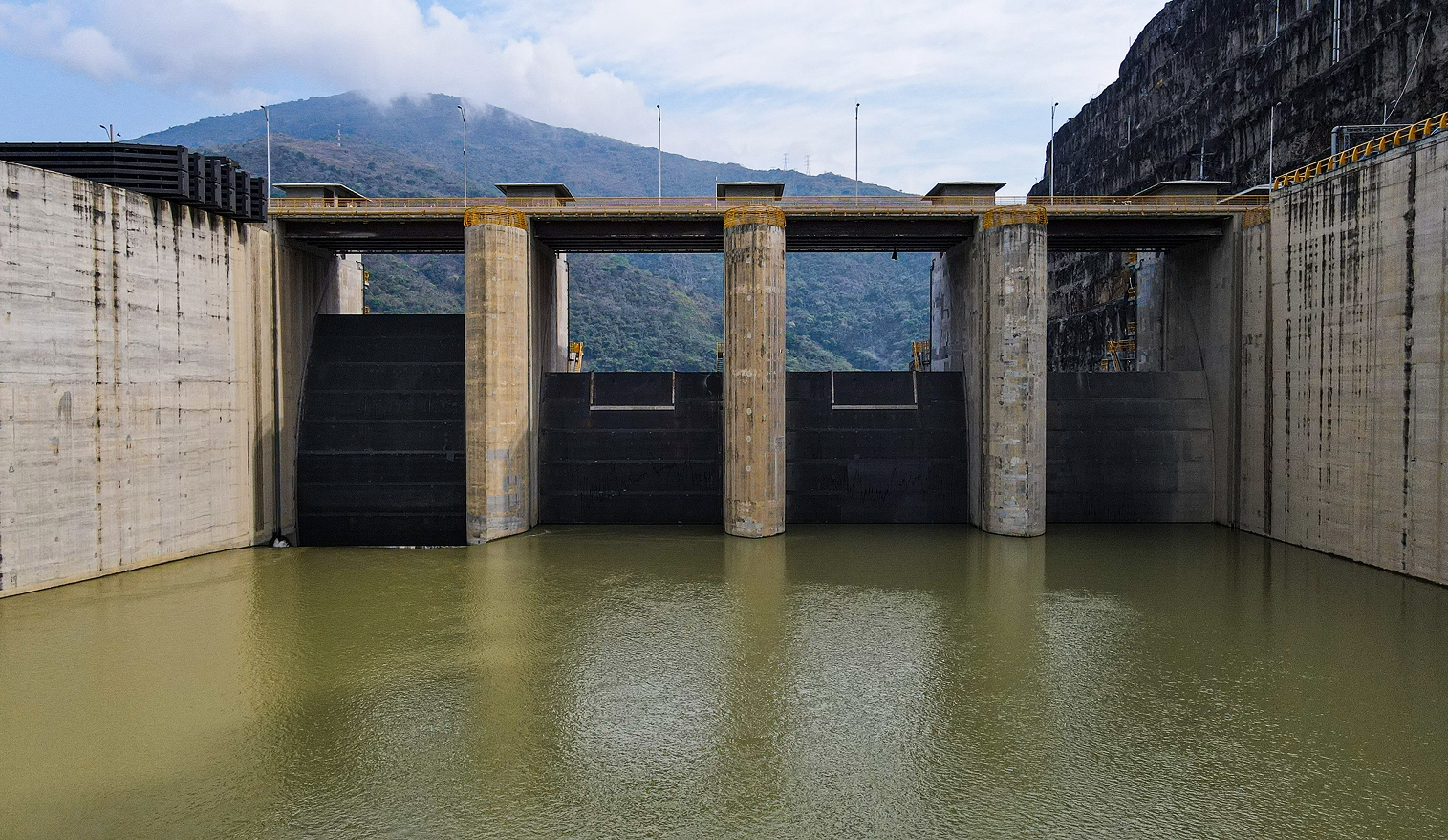
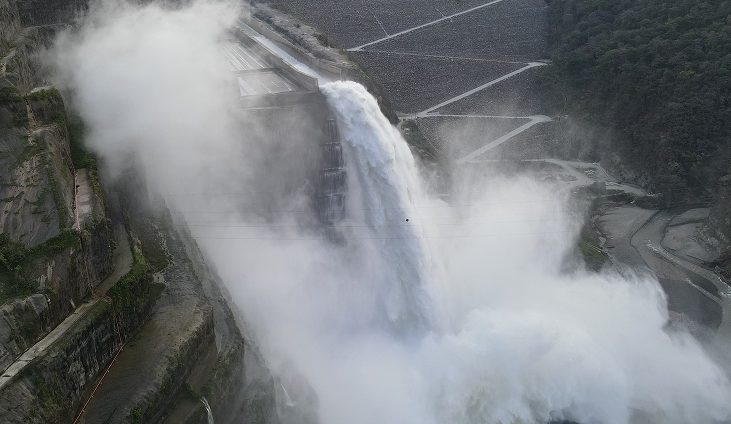
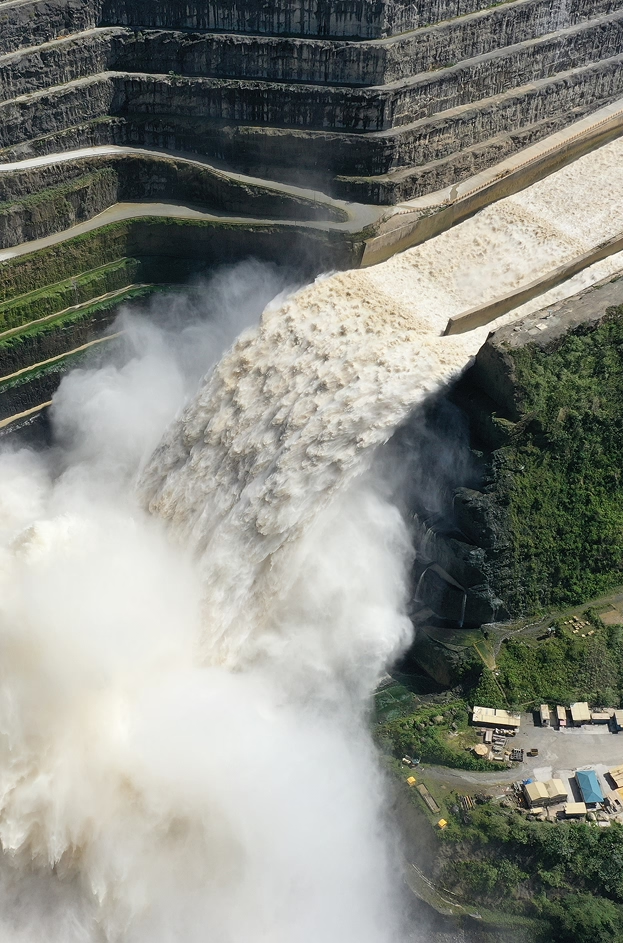
The landfill is the structure that evacuates excess water in a controlled manner when the reservoir exceeds its normal level. With heavy-duty channels and gates, it manages floodwaters of the Cauca River and protects the dam and the hydraulic system, ensuring safe operation even in seasons of intense rain.
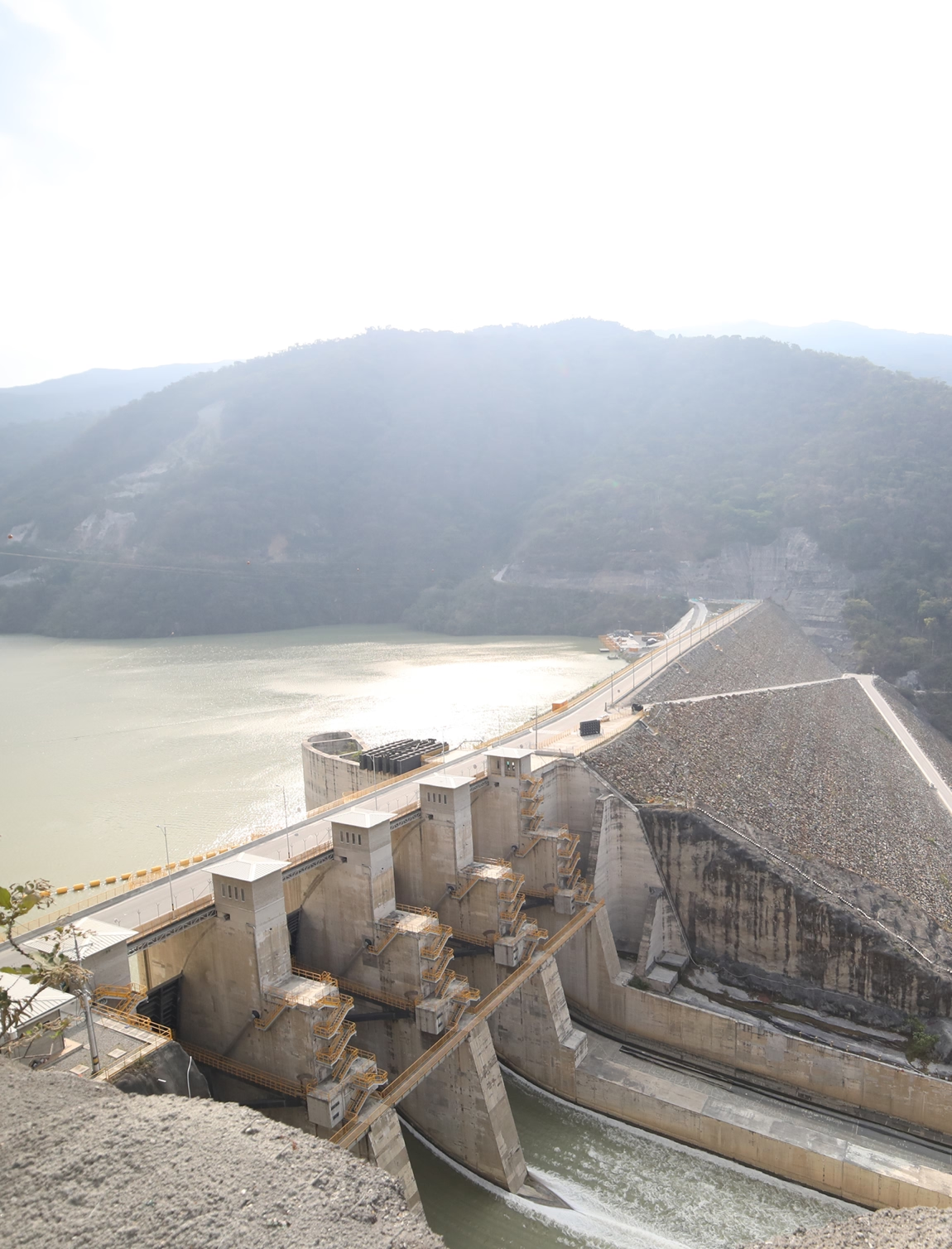
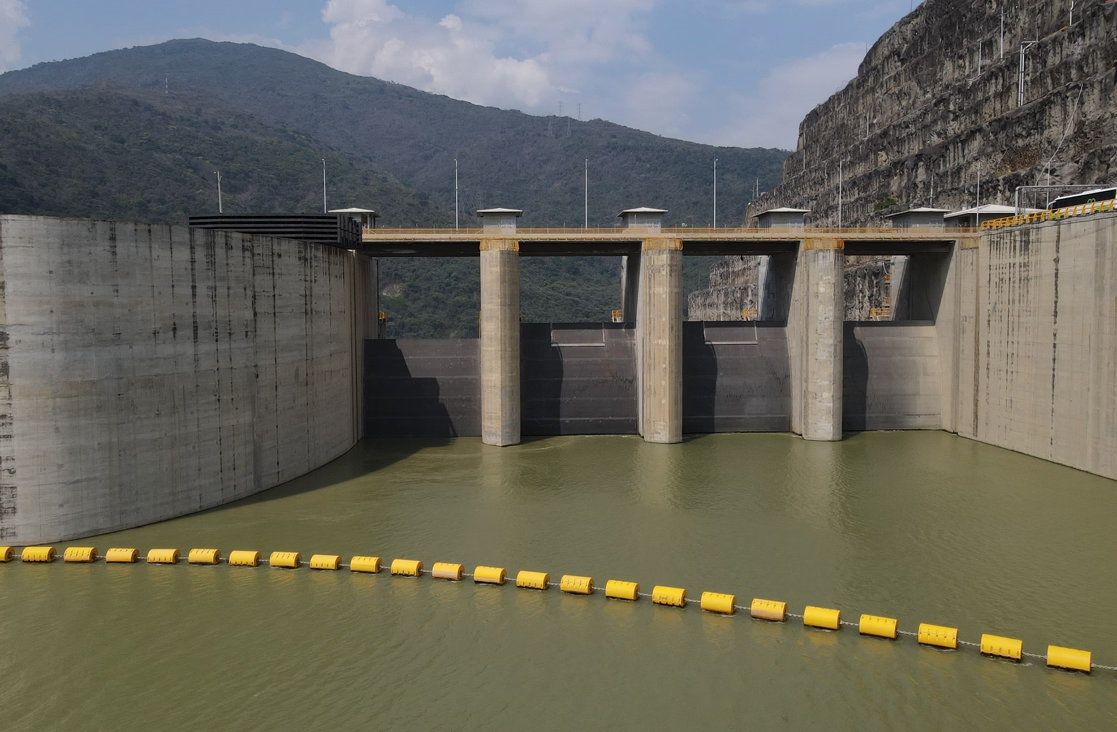
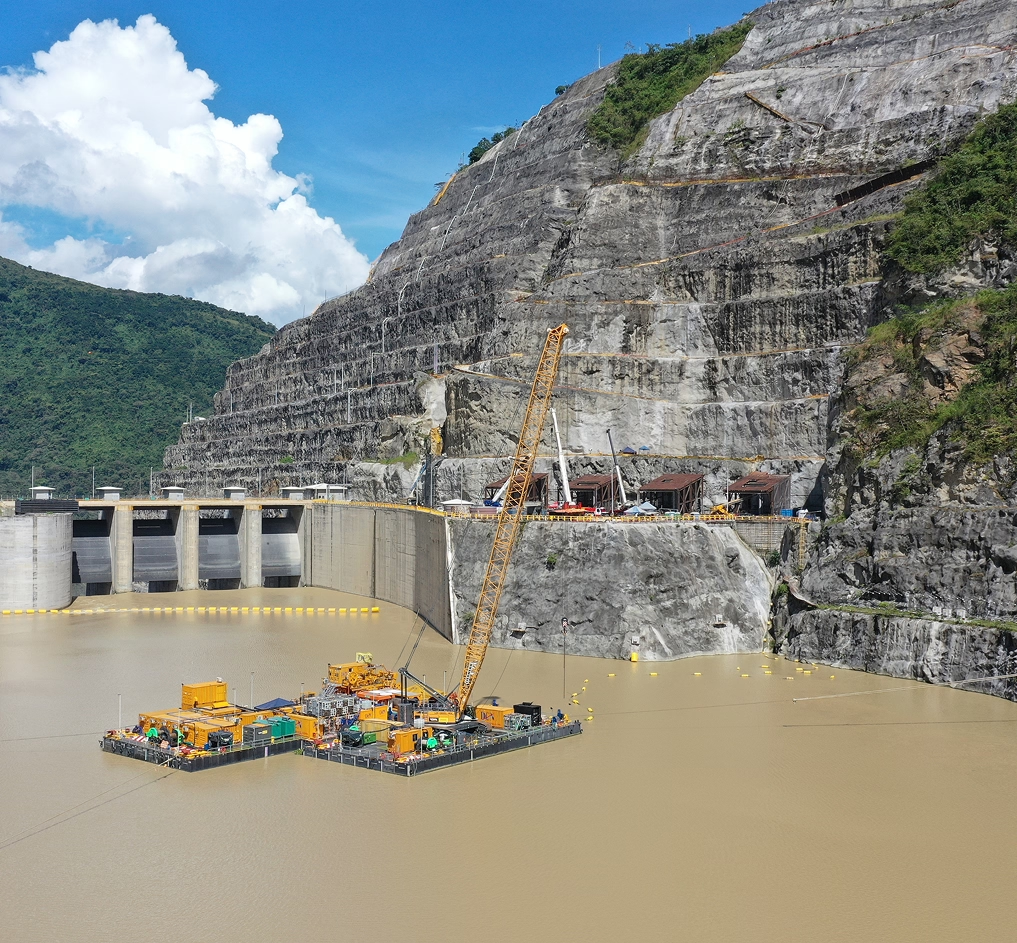
The dam is a gravelled wall with an impermeable core, more than 200 meters high, that retains the waters of the Cauca River and forms the reservoir. As the central structure of the project, it supports large hydraulic and geological loads and guarantees seismic stability and precise control of the flow to the turbines.
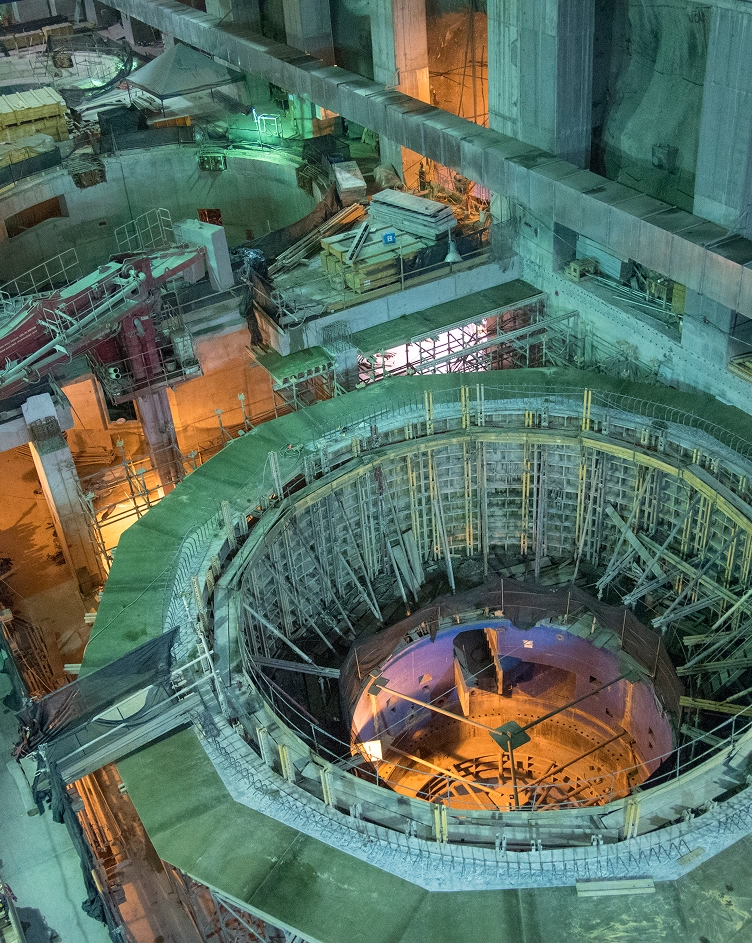
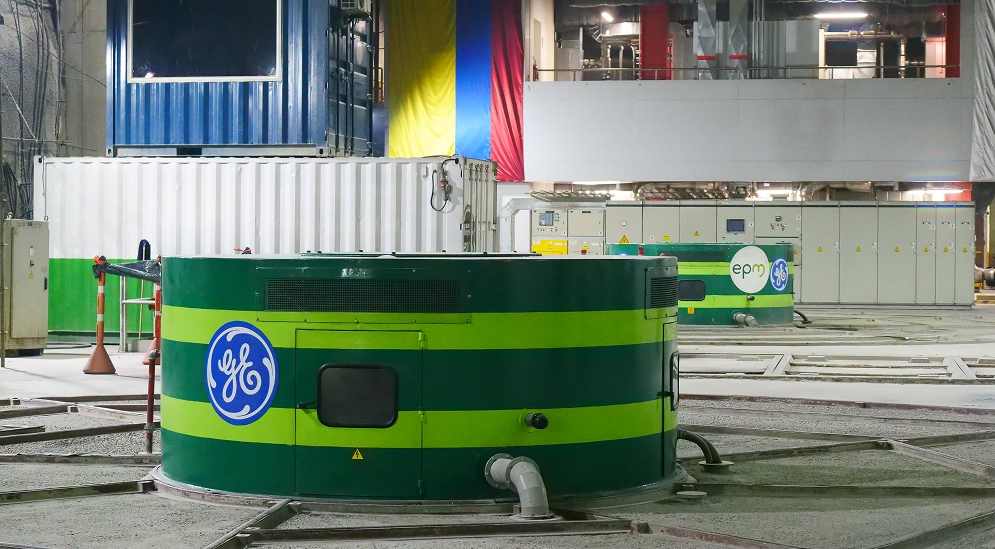
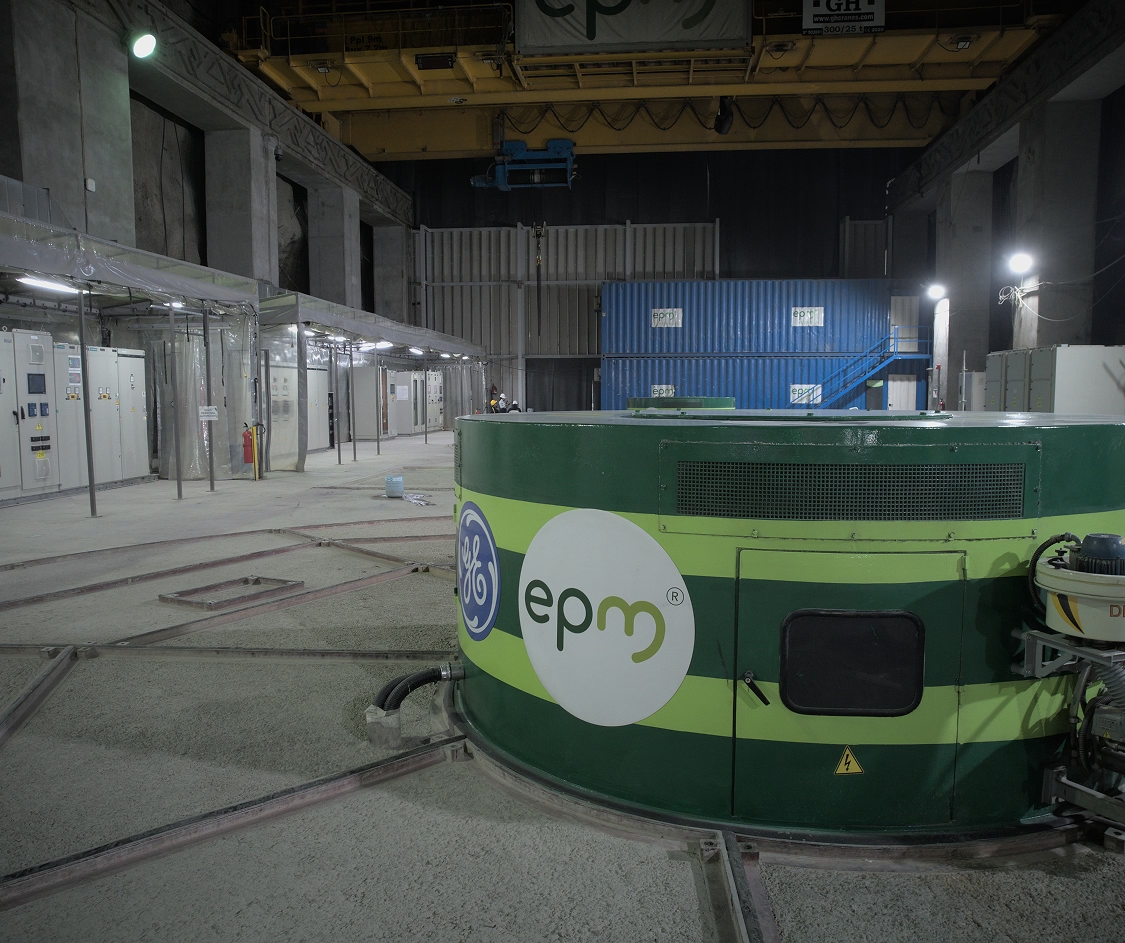
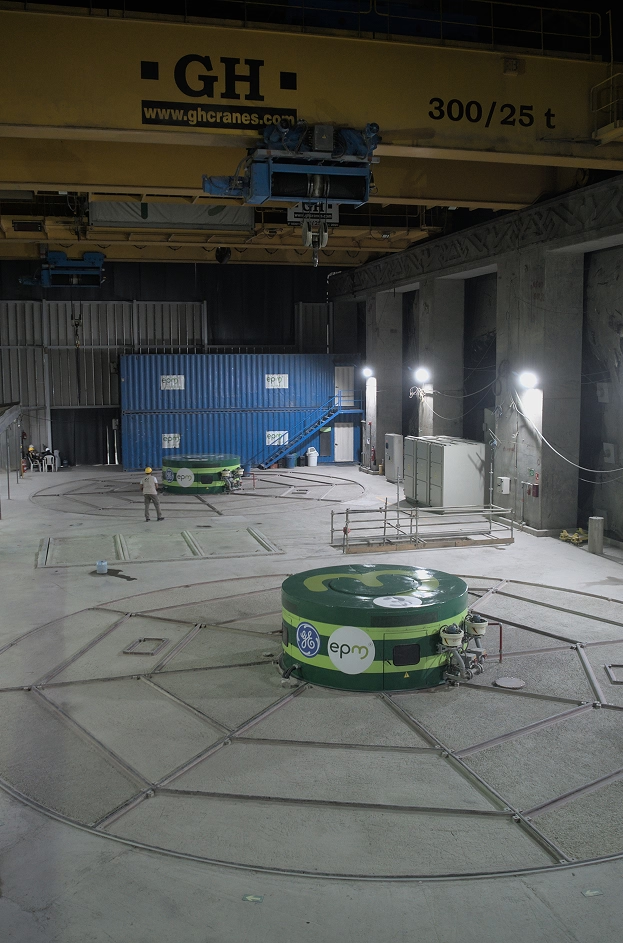
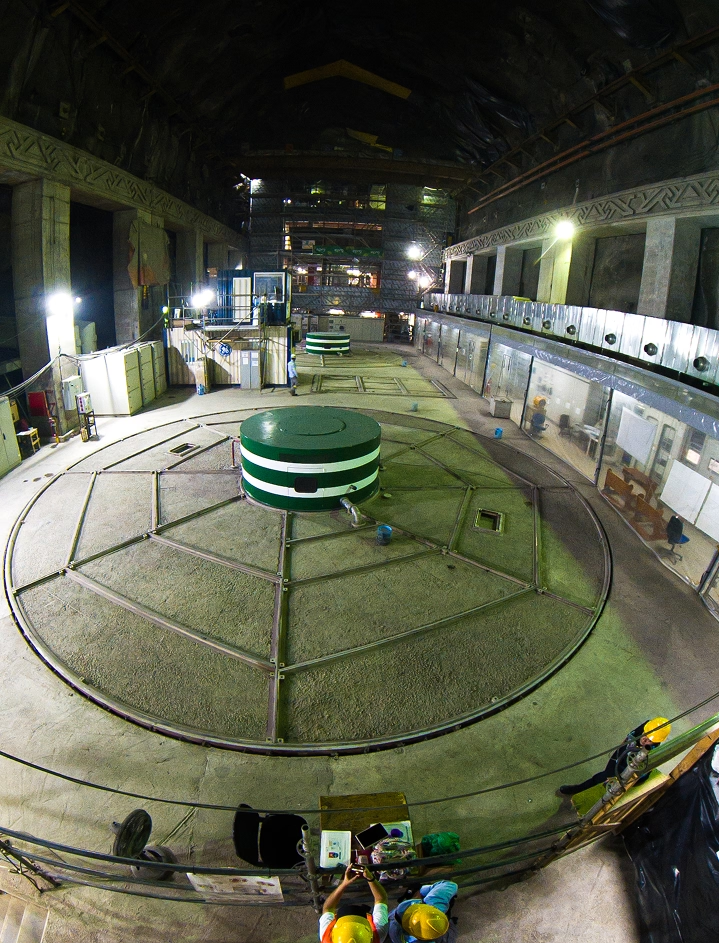
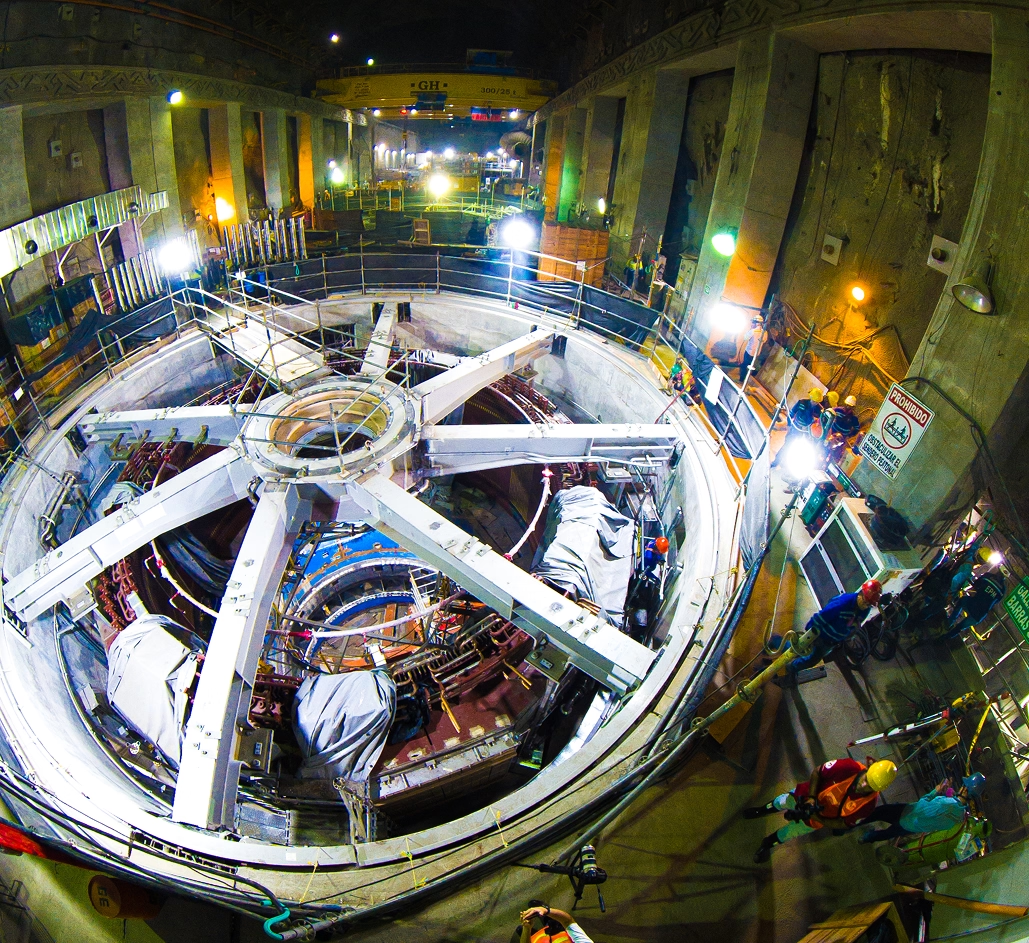
The engine room is the energy heart of Hidroituango. The turbines and generators are housed there, together with all the electromechanical equipment that converts the force of water into electricity. It is a large scale underground structure, with access tunnels, cavities for transformers and control and protection systems. It was designed to operate eight generation units that produce most of the project's energy.
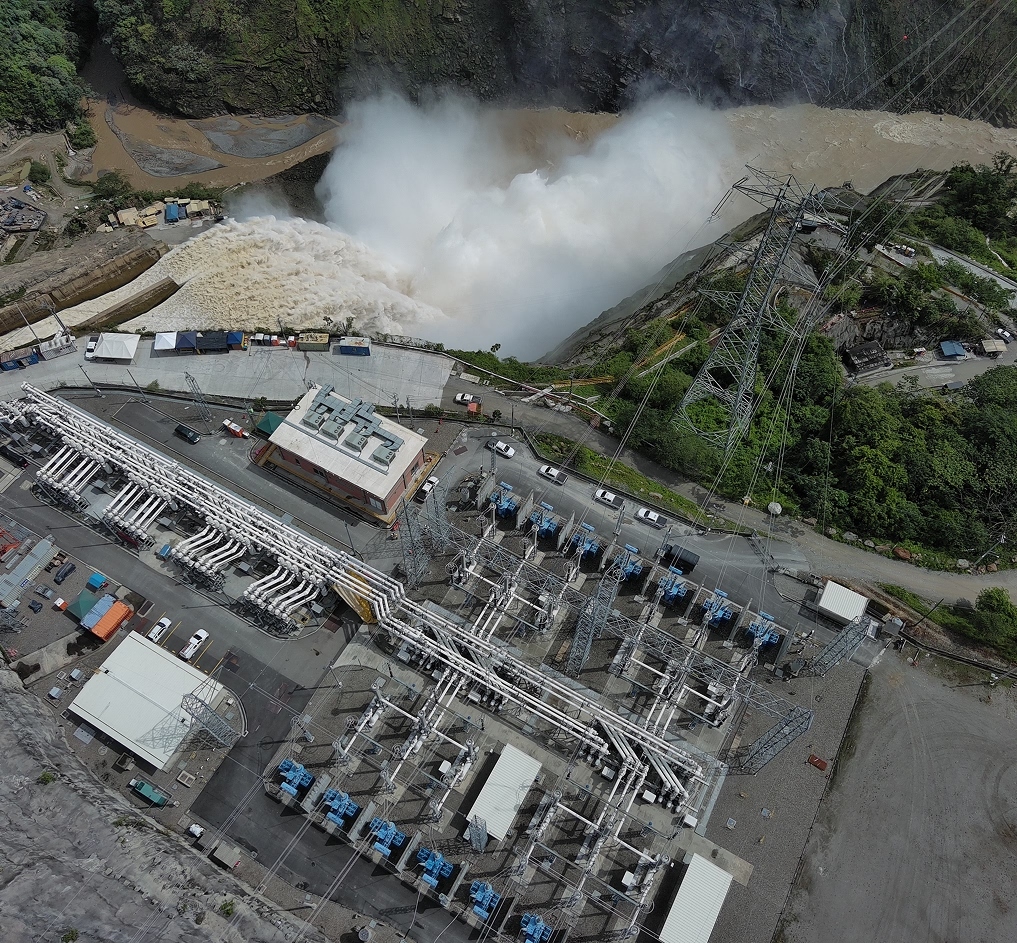
The 500 station is the facility where the voltage of the energy produced in the Machine House is raised to be able to transport it efficiently through the National Interconnected System. It includes transformers, rods, switches, protective equipment and transmission lines. Its function is to ensure that the energy generated reaches long distances with minimum losses and maximum stability.
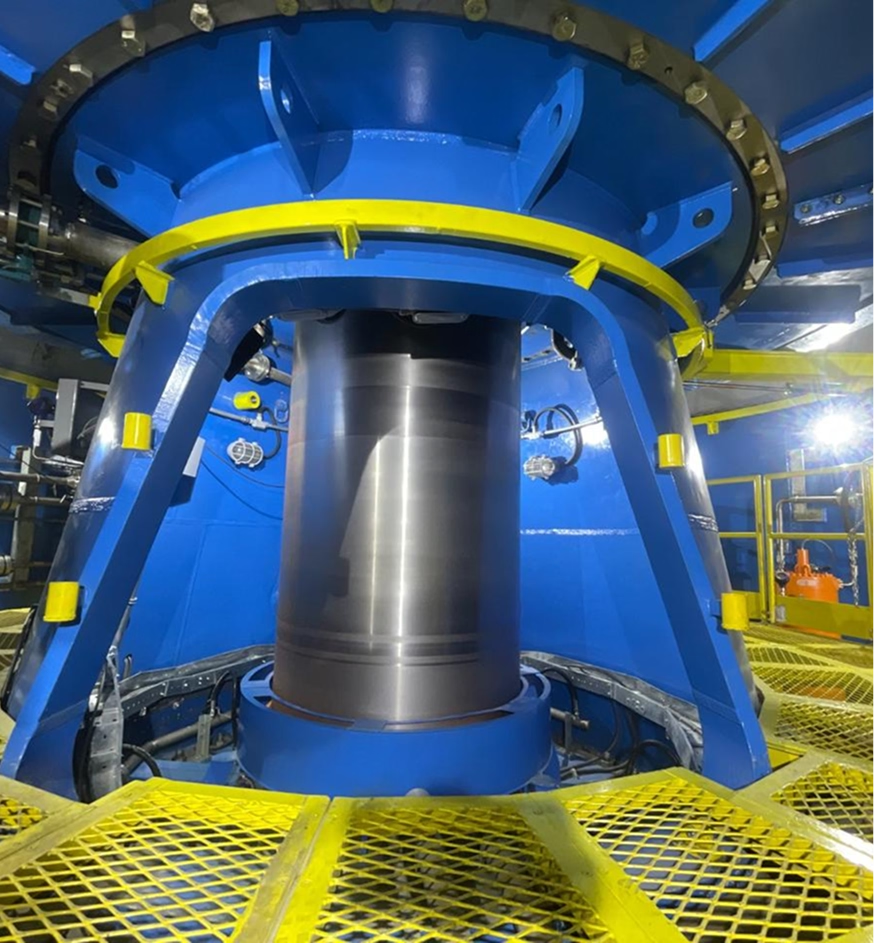
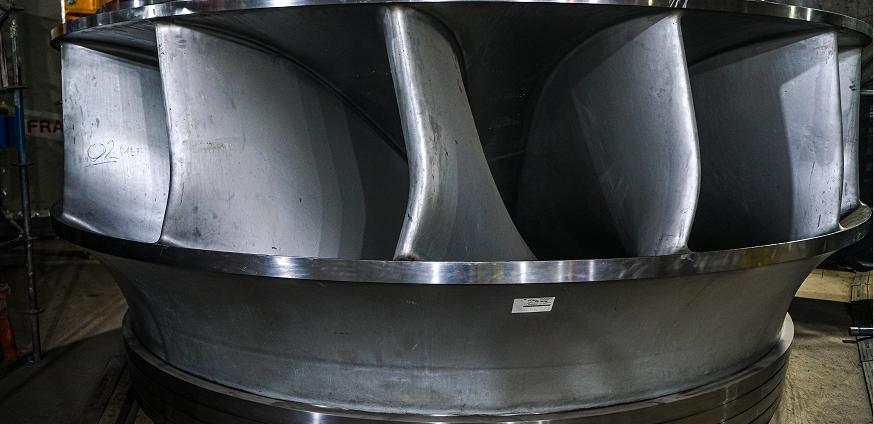
The turbines are the Francis type units of high power, specially designed to take advantage of the flow of the Cauca River and the available height of fall. When water enters each turbine, it rotates an impeller that drives an electrical generator. Its efficiency and robustness make it possible to transform hydraulic energy into electricity continuously, safely and on a large scale.
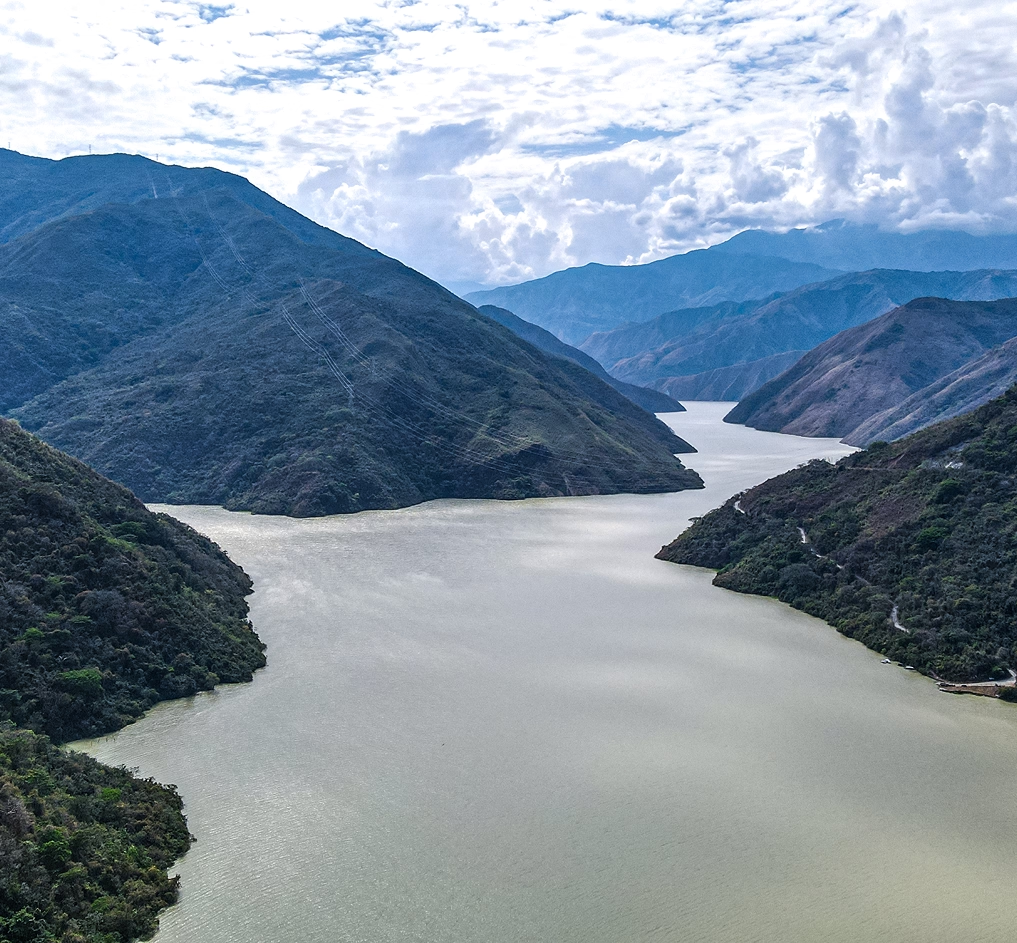
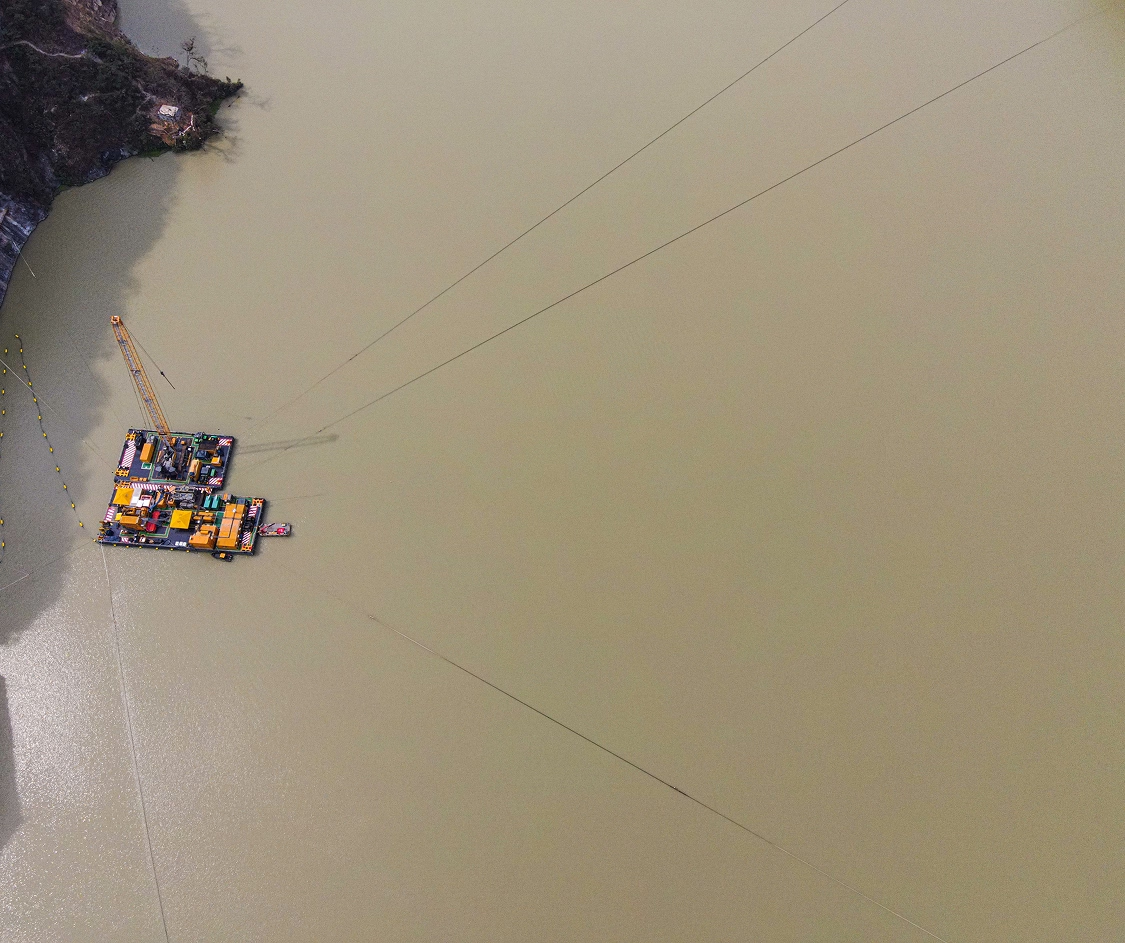
The reservoir is the body of water retained by the dam, which is more than 70 km long on the Cauca riverbed. It acts like a gigantic reservoir that regulates the flow of the river to ensure the stable operation of the plant. In addition, it performs environmental and water protection functions, handling volumes that vary according to generation needs and climate cycles.