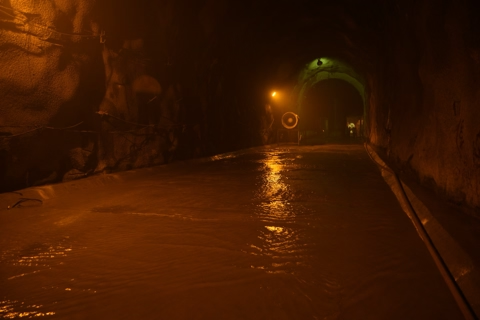
The Ituango José Tejada Sáenz Hydroelectric Power Plant
The Project is located on the Cauca River, in the so-called “Cauca Canyon”, on a route from its source of approximately 425 km. Today it generates 1,200 MW for the National Interconnected System, but when its 8 turbines are in operation, it will be 2,400 MW.
Generalities
1.1
Location
The Ituango Hydroelectric Power Plant is located in the north of Antioquia, on the Cauca River, in the “Cauca Canyon”, encompassing areas of the municipalities of Ituango, Toledo and Briceño, among others, about 171 km from Medellín, with main road access to San Andrés de Cuerquia and the Puerto Valdivia district of the municipality of Valdivia.
1.2
Dimensions
Hidroituango has a 225 m high and 550 m crested dam; a 78 km long reservoir with a volume of 2.8 billion m³; a machine cave 240 m long, 23 m wide and 49 m high, housing 8 turbines of 300 MW each; and a landfill with 4 radial gates to evacuate up to 25,300 m³/s, a monumental structure to generate 2,400 MW.
1.3
Machine Cave
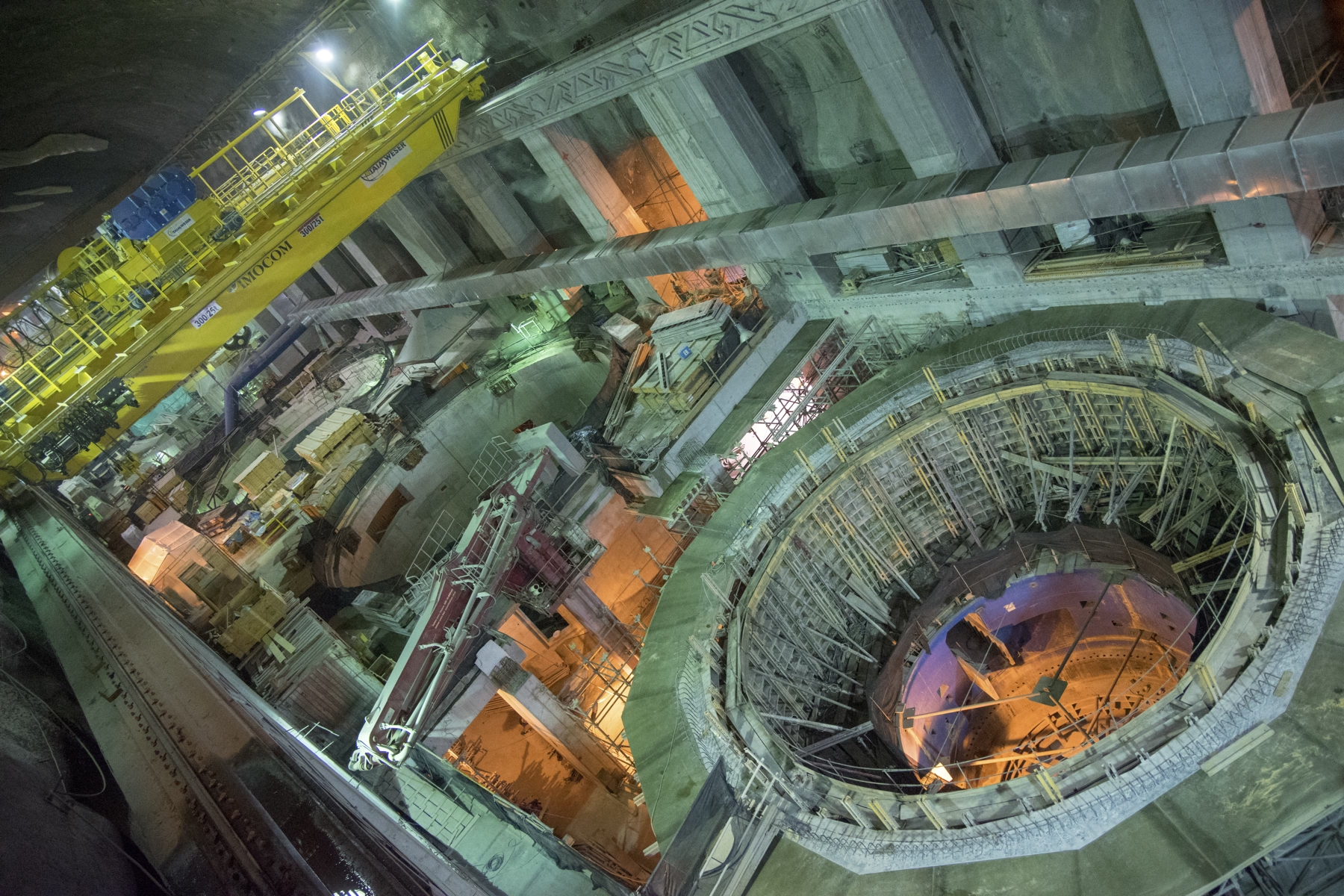
The machine cave is 240 m long, 23 m wide and 49 m high, equivalent to a 17-storey building. It currently houses 4 Francis turbines with a capacity of 300 MW each and a consumption of 168.75 m³/s per unit. When the entire plant comes into full operation, there will be 8 turbo-generator groups, for a final capacity of 2,400 MW.
1.4
Landfill
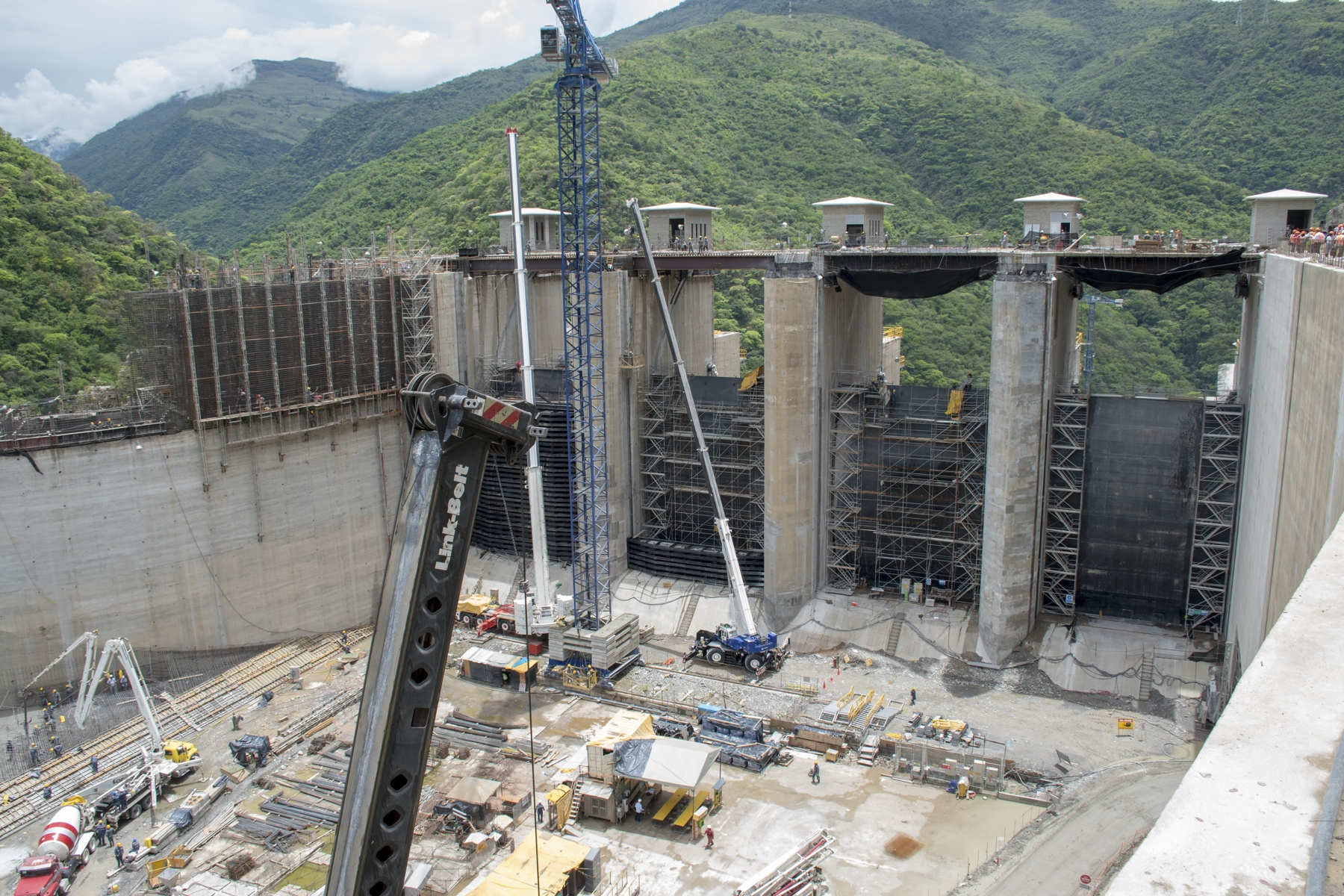
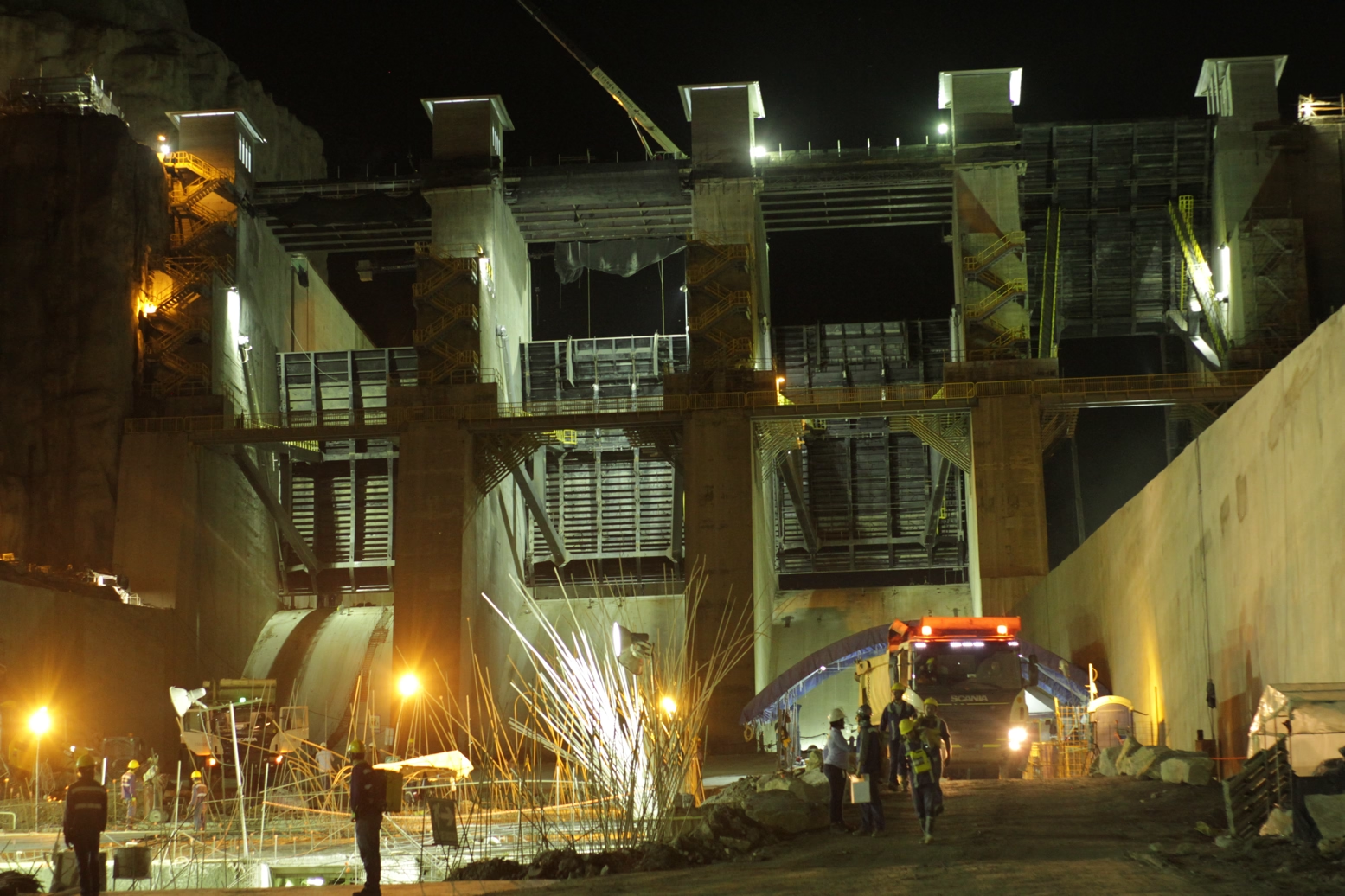
The landfill, that is, the hydraulic structure intended to protect the dam during the operation phase, is of the open channel type and is controlled by four radial gates, each of which measures 16.5 meters wide by 21.5 meters high. It has the capacity to evacuate the increasing probable maximum that reaches the reservoir of 25,300 m³/s; its length is 405 meters and a variable width of 95 m at the top and 70 m at the end, where it connects to the ski jump.
Generation
2.1
Energy for the country
The Ituango Hydroelectric Power Plant is designed to generate up to 2,400 MW, about 17% of Colombia's electricity demand.
Physiography
3.1
Physiography
The Hidroituango project is located in the northwestern part of the department of Antioquia, about 171 kilometers from the city of Medellín.
3.2
Geomorphology
Narrow V-shaped canyon, steep slopes, long and narrow reservoir.
3.3
Hydrology
The dam site has a bimodal behavior, with two periods of low flows between the months of January to March and July to September; and two periods of high flows between the months of April to June and October to December. The average multi-year flow rate is 1,010 m³/s, which guarantees energy security.
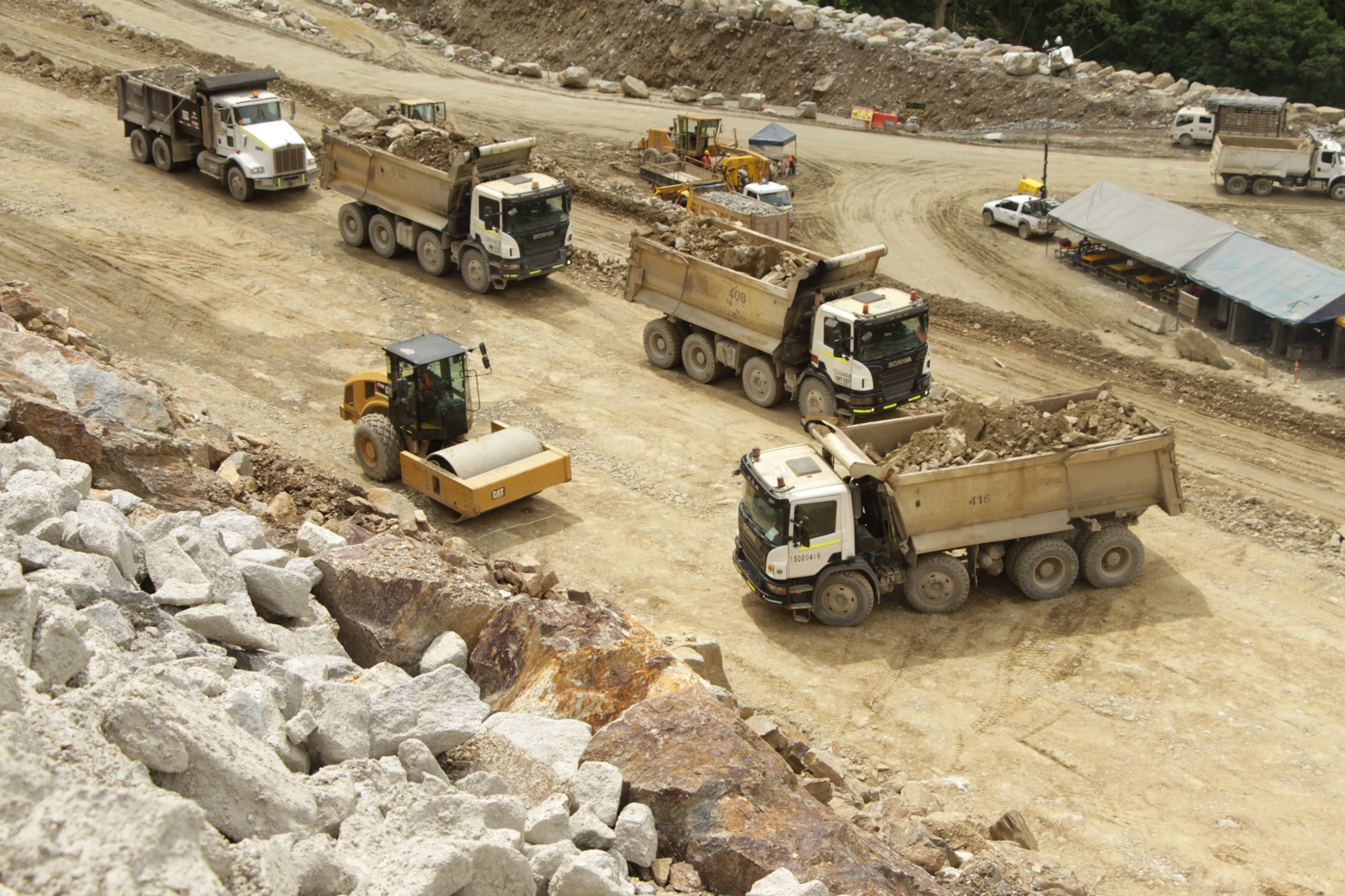
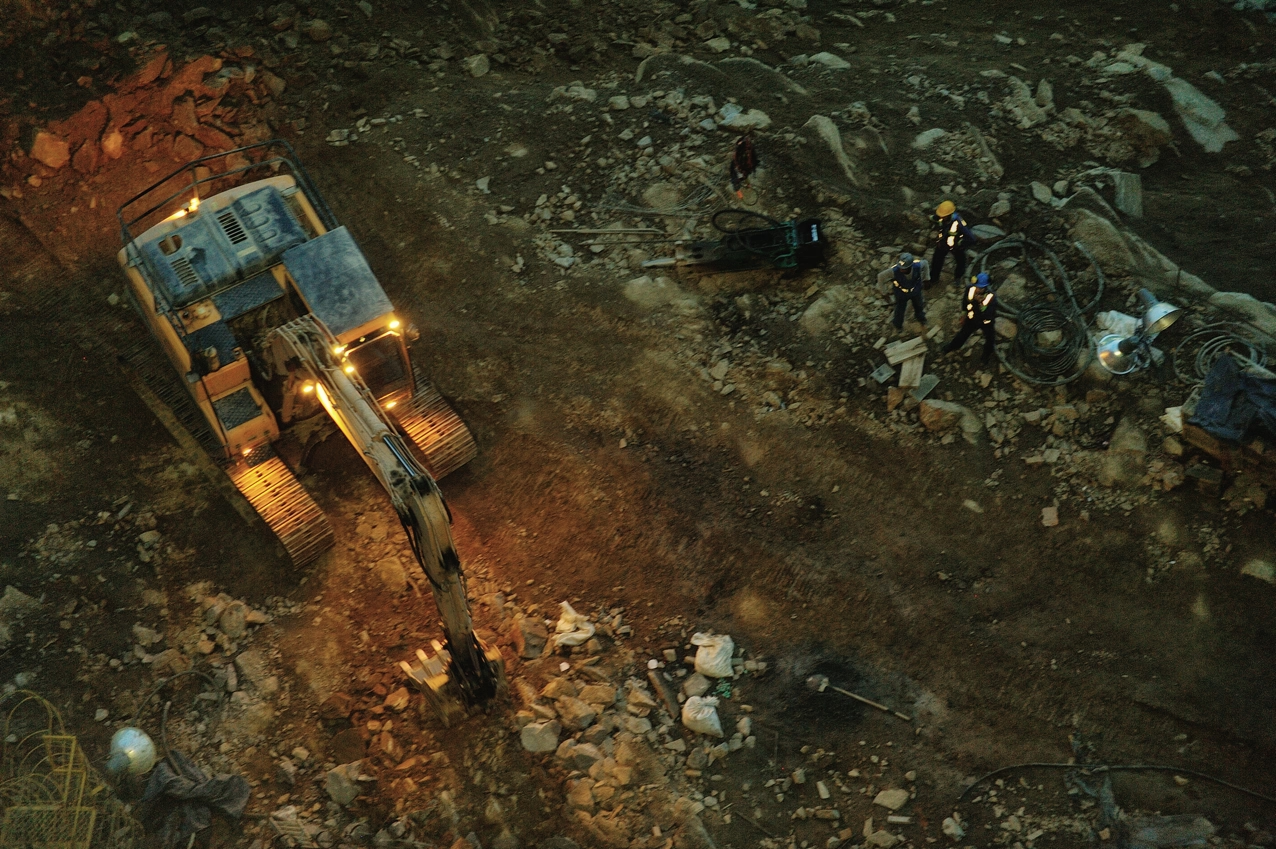
The first machines, the first workers, the first open roads for the construction of Hidroituango began when the second decade of this century began.
Since then, camps were built, access was opened, workshops were installed and the ground was being prepared for the true epic that would follow.
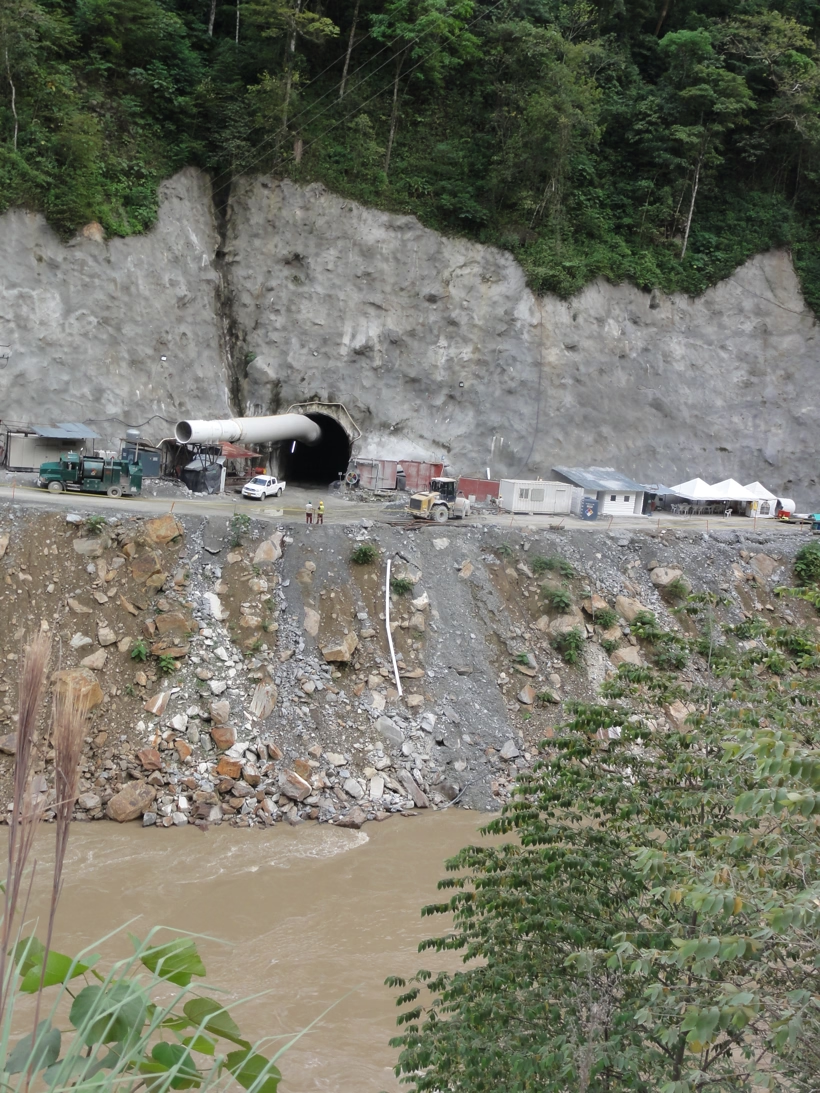
Soon the heavy work arrived: gigantic excavations, tunnels that advanced like arteries under the mountain, and a machine house that began as a dark void, but would soon be an underground temple of engineering.

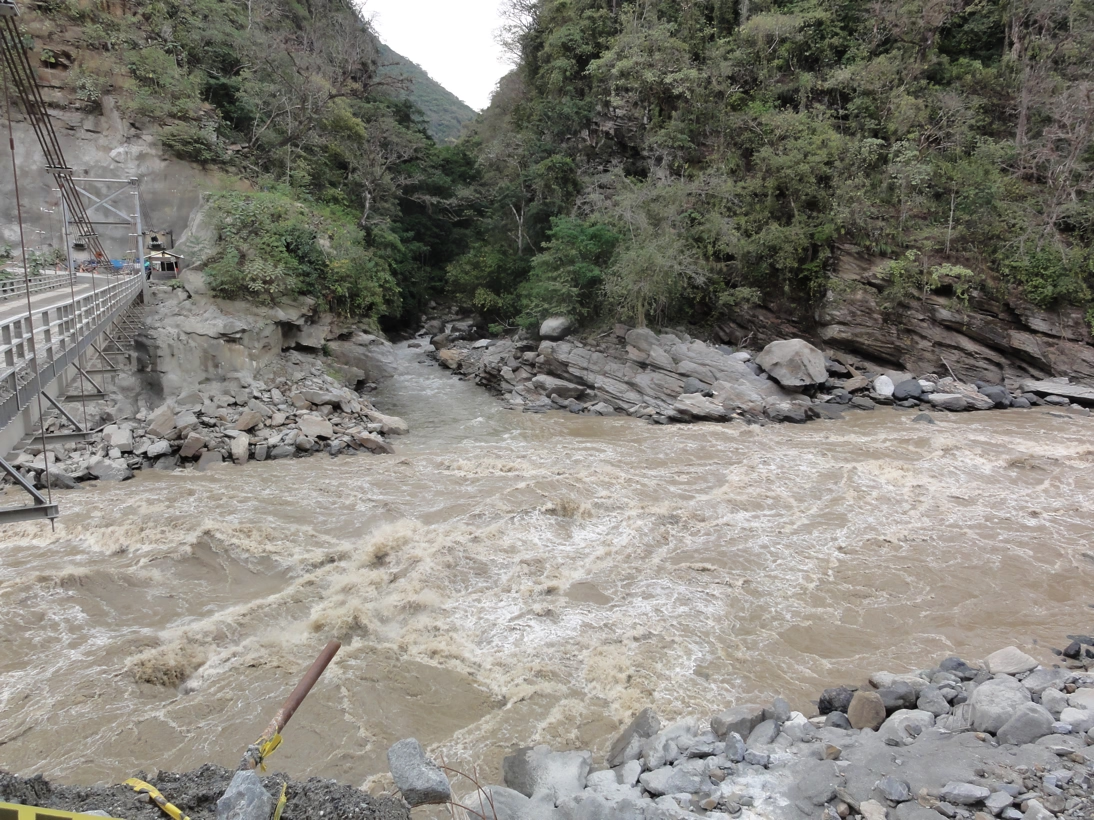
One of the most decisive milestones was the diversion of the Cauca River. To achieve this, gigantic coffins and tunnels were built capable of carrying the second most important river in Colombia along a new temporary road.
It was an act of engineering and symbolism: the river gave way momentarily to allow for the construction of the dam.
.avif)
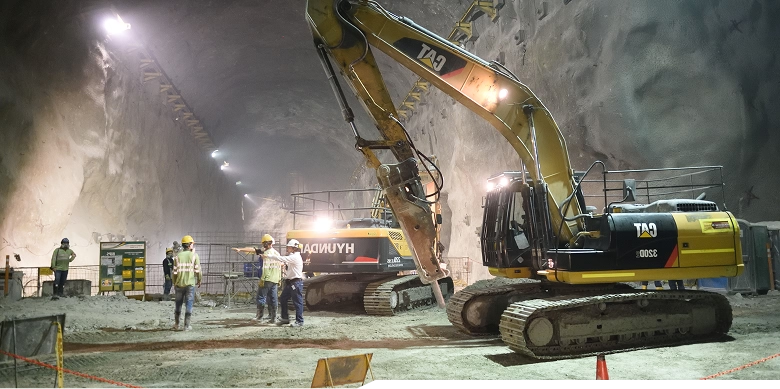
Another of the majestic landmarks of the project was the excavation of the cavern of the engine room, a colossal vault that in any other country would be a tourist attraction, but here, simply, it was the prelude to what was to come.
As work progressed on the dam, electromechanical assemblages began. The pieces of the turbines arrived, each huge, exact, millimeter. Structures that emerged in the dark of the caves like metal sculptures destined to rotate for half a century.
The most significant thing about the closing of the initial construction cycle was when the dam reached 320. The river would still be a river, but now it would be contained by a structure that looked like part of the mountain itself.
.avif)
The most complex moment in the construction phase was the contingency of 2018, when a collapse in one of the diversion tunnels altered everything. The river defied the work and the floodgates had to close prematurely. The engine room had to be flooded.
But the project recovered; galleries were rebuilt, the dam was reinforced, the engine house was rehabilitated and processes were redesigned.